
2/3 ”It was the 8th of July 1995, and we could sense the fall of Srebrenica. I could hear the sounds of shots being fired. My mother, my sisters, and I went to the UN-base to seek protection. We spent a couple of days sitting on concrete floors and waiting for a truck or a bus that would take us to the safe territory. It was chaotic. The Bosnian Serb army was moving freely around the UN base, spreading fear. My father and uncle, as well as other men that we knew, decided to go through the forest because they were afraid to be captured. Before we left, my mother packed a bag with some items. Amongst them were these knitting needles, my uncle had made from metal wires of an old umbrella, with which I’ve learned how to knit. Before saying goodbye to my father, I gave him a magnifying glass. It wasn’t something he could use, but he put it in his pocket anyway, and he made a promise that he would give it back to me once we reunite. After saying goodbye, we went to the UN-base. We spent a few nights at the base until we got transported to the safe zone in Tuzla.”
1/3 ”We lived in a small room in an apartment. That room was our kitchen, living room, working space and bedroom. There were five other families in the apartment and we shared one single bathroom. We all fled from different villages in the area and found safety in Srebrenica. In the same building, a couple floors above, lived my uncle and aunt. My uncle would always try to entertain us. He was a wonderful man. We lived off aid food packages that often contained things such as milk, powdered eggs, a little bit of detergent, and a few canned items. My sister and I would try to get really creative with it, and we would make our own candies, such as lollipops made out of melted sugar, and chocolate cream made out of powdered milk mixed with water. I also learned how to make my own shoe polish, a candle, and a meal for my sister which consisted of fried flour mixed with water. We had only one doll, our days were filled with fear, but we were happy.”
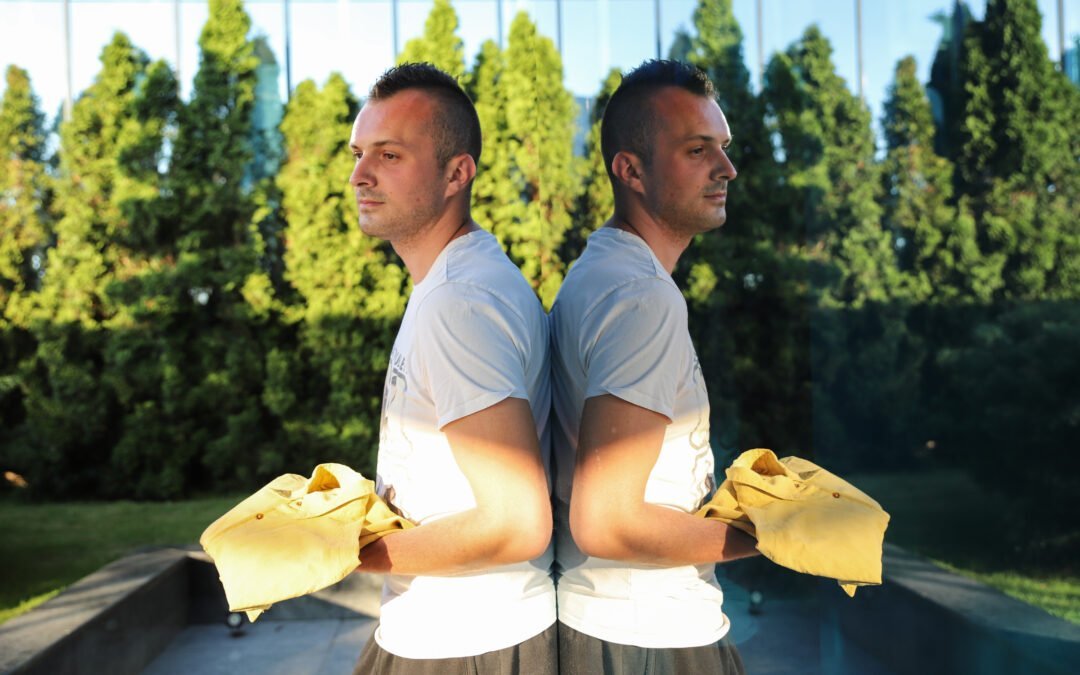
“My mum says that every day I look more like him. After the war, we moved to Sarajevo. In high school, I didn’t talk about my father and what happened in Srebrenica. Most kids in school had experienced the war in Sarajevo. They couldn’t relate to what happened in Srebrenica. Sometimes, when someone mentioned Srebrenica, they would make jokes like: “Do you want to sell the house with or without bones?” Those jokes were painful. My mother had to raise my sister and me all by herself. She was only 33 when the war ended, with two small children to raise and a husband who was missing. The day we said goodbye to our father, I was five years old. My mother had gone to the UN base in Potocari with my sister and I. A few days later we got transported to the safe zone in Tuzla. My father decided to go to Tuzla through the forest since there were rumors that the Bosnian-Serb Army was separating the men. Before leaving our house, my mother had packed some items. Amongst those items was a yellow shirt that belonged to my father. She figured he would want to change into a clean shirt once he arrived in Tuzla. When we arrived, my mother kept searching for him. Years went by, but we kept hoping that he would come back. My mother kept washing and mending the shirt. At a certain point, she started washing it less frequently. Eventually, she stopped washing it altogether. That’s when she lost hope that he would ever come back. When I went to University, I started meeting people from all over Bosnia. One of my classmates, his name was Sened, heard I was from Srebrenica. He told me his grandfather was also from the Srebrenica region, from a town called Žepa. We started meeting for coffee before and after classes. I invited Sened to our old house in Srebrenica, and we spent hours and hours talking about what had happened in the war. I told him about my father. We understand each other because we share the same feelings. To this day, we have no information about what happened to my father. I still hope that they will find him. Even if it is only one bone, then we will finally be able to bury him, and we will have a place where we can say our prayers and close this book.”
3/3 ”When my brother left the orphanage, he moved to Sarajevo, and we managed to get my youngest brother to come live with us. All those years, we had no idea what happened to my father. In 2009, my brothers got a phone call from my uncle. He had received a message that they had found my father’s remains. I was seven months pregnant at the time, so my brothers tried to hide it from me to protect my health. I found out anyway, and due to the stress, I had to spend the rest of my pregnancy in bed. When my son was born, I felt a new kind of happiness. He was the first new child born into the family. He changedourlives.”
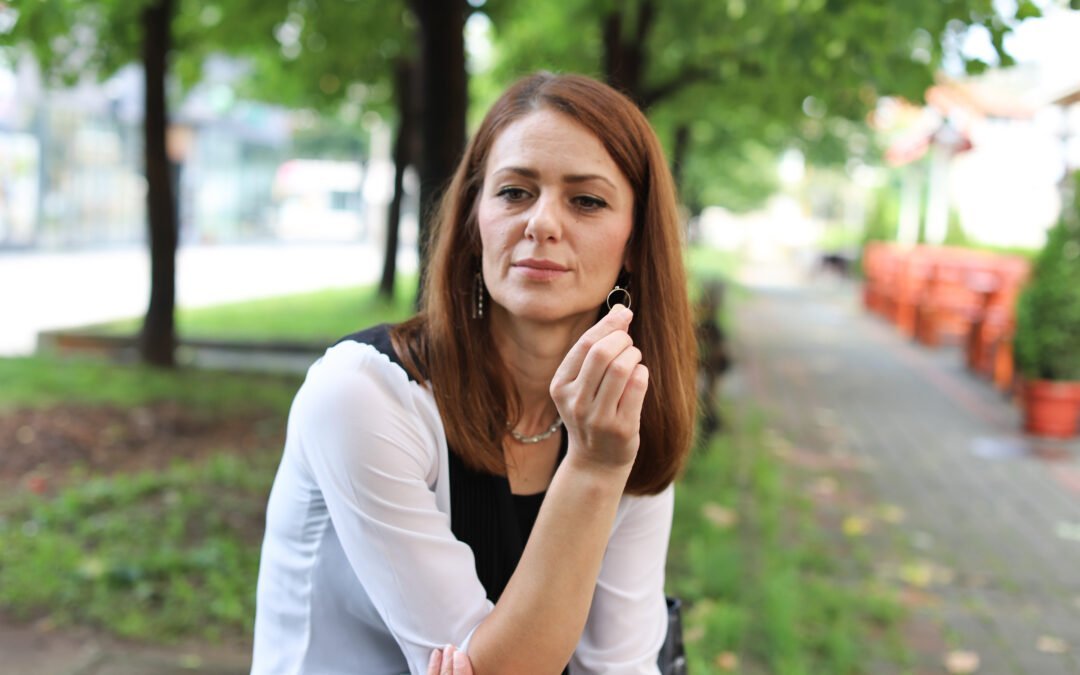
2/3 ”If it had been up to me, I would have stayed with my grandmother. However, nobody asked us what we wanted. There were many children in the orphanage. We were divided into “families” of 20 kids. Luckily my siblings and I got to stay together. Every group had two social workers. One of the social workers for my group was named Mirsada. She treated us like we were her children. Whenever I was sad, I would lock myself up in my room and cry. Mirsada always noticed my absence, and would immediately come to me in my room and hold me tight. She knew our story and how much we were missing our grandmother and parents. When my sister turned eighteen, she became the first of us to leave the orphanage. She went to live with my grandmother. When I turned eighteen, I moved in with them. That’s when my grandmother gave me this ring. It belonged to my mother. My grandmother hid it in her pocket and managed to bring it from Srebrenica. It is one of the only things I have that belonged to my mother.”
1/3 ”After my mother died, my father compensated so much to make us happy that we sometimes forgot about our loss. When the war started, we moved to Srebrenica. My older sister, two younger brothers, father, and grandmother were all living in one room. When the Bosnian Serb Army invaded Srebrenica, we all went to the Dutch UN base in Potocari to find shelter. Except for my father. Like most men during the fall of Srebrenica, he tried to escape through the woods. We spent one night at the UN base. Thousands of refugees arrived there. It was complete chaos. Everybody was whispering and trying to guess what was happening. The next day, we saw Ratko Mladić, the head commander of the Bosnian Serb army at the UN base with a camera crew. He started throwing food and candy to us kids as a part of his propaganda campaign. He told us the buses would be ready to bring us to the safe zone in Tuzla. Right before entering the bus, men and women were separated. When I got to the bus, they wanted to take my little brother. He was only ten years old. I took his hand and pushed him inside the bus. During the bus ride, I hid him under a blanket underneath my seat. That’s how he survived. During the trip, you could see captured men with their hands tied behind their backs. Some women on the bus recognized their husbands or their relatives. We looked for our dad, but he wasn’t amongst them. The ride took about 3 hours. When we arrived, it was already dark. After spending a few nights in several different places, we moved to a house near Srebrenik with our grandmother. After one month, a social worker came by and said that my grandmother didn’t have the right resources to take care of us. A few days later, we got transferred to an orphanage.”

Recent Comments